Body Contouring Farmington Hills: The Path to a More Sculpted Look
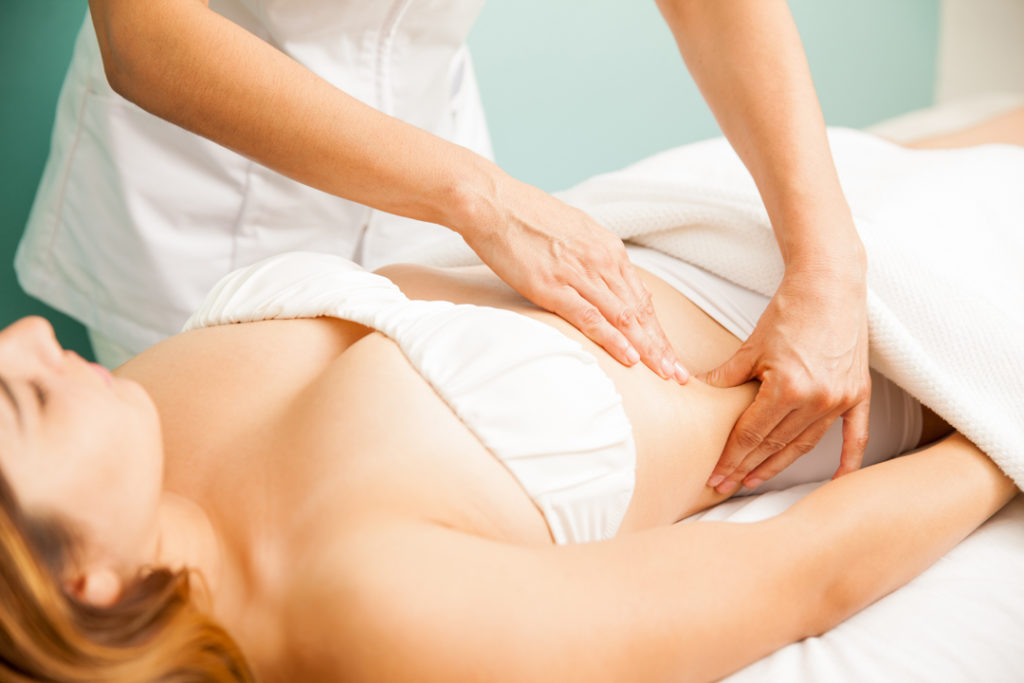
The phrase body contouring means different things to different people. For one person, it is the last step after major weight loss, when diet and exercise have done the heavy lifting but loose skin or stubborn pockets of fat still change how clothes fit. For another, it is a more modest goal, such as softening fullness at the abdomen, smoothing the flanks, or refining the area under the chin. In either case, the goal is usually not to look like someone else. It is to look more like yourself, only more balanced, more proportionate, and more comfortable in your own skin.
That distinction matters when people start searching for Body Contouring Farmington Hills. The best outcomes rarely come from chasing a trend or asking for the most aggressive treatment. They come from careful planning, realistic expectations, and choosing the right method for the body in front of you. A strong treatment plan respects skin quality, fat distribution, muscle tone, lifestyle, and recovery tolerance. It also accounts for the fact that some concerns respond beautifully to non-surgical technology, while others simply do not.
Patients often arrive with a simple question: what will actually work for me? The honest answer is that body contouring is not one procedure. It is a category. It can include non-invasive fat reduction, minimally invasive treatments, liposuction, skin tightening, muscle toning technology, and post-weight-loss surgery. The right answer depends on what needs to be improved and how much change a person wants to see.
What body contouring really addresses
Body contouring works best when the target is specific. That may sound obvious, but it is where many consultations become useful. People often say they feel larger in a certain area, but what they are really seeing may be one of several things: subcutaneous fat, skin laxity, weakened abdominal support after pregnancy, or a combination of all three. These are not interchangeable problems, and they do not respond to the same treatment.
Take the lower abdomen as an example. If the issue is a modest layer of pinchable fat and the skin still snaps back well, a non-surgical fat reduction option may be reasonable. If the skin has stretched significantly after pregnancy or weight changes, and there is muscle separation, a skin-tightening device will usually not deliver the dramatic flattening a patient hopes for. That is where a surgical approach may be more appropriate.
The same logic applies to the upper arms, thighs, back, and jawline. Good body contouring is less about picking a popular technology and more about matching the tool to the anatomy. That is one reason experienced providers spend so much time examining tissue quality, not just measuring inches.
Why people in Farmington Hills seek body contouring
In a place like Farmington Hills, interest in body contouring often reflects a practical mindset. Many patients are busy professionals, active parents, or adults who have put serious effort into improving their health. They want options that fit into real schedules, not fantasy recovery timelines. They also tend to ask direct questions about downtime, discomfort, visible change, and long-term maintenance.
That practical approach is healthy. Body contouring can improve shape, but it cannot replace healthy habits. It does not erase cellulite in every case. It does not make loose skin disappear unless the skin is actually removed. It does not prevent future weight gain. When patients understand those limits from the beginning, satisfaction tends to be much higher.
There is also an emotional side that should not be dismissed. A person may feel proud of their weight loss but frustrated that the mirror still shows hanging tissue at the abdomen. Another may be at a stable weight and simply tired of carrying fullness at the bra line or love handles that never respond to exercise. These concerns are common, and they are not vain. Looking better in fitted clothing, feeling more at ease in a swimsuit, or no longer tugging at a shirt all day can have a meaningful effect on daily confidence.
The main categories of body contouring
When discussing Body Contouring Farmington Hills, it helps to separate the available options into broad categories rather than brand names. Brands change and marketing language evolves, but the treatment principles stay fairly consistent.
Non-surgical fat reduction is designed for localized fat deposits. These treatments generally work by targeting fat cells through cold, heat, ultrasound, radiofrequency, or similar energy-based methods. They tend to work best on people who are already close to their goal weight and want modest contour improvement. Results are gradual, often developing over weeks to a few months, and more than one session may be needed.
Skin tightening treatments aim to improve mild to moderate laxity. Some use heat to stimulate collagen remodeling over time. They can help in areas where the skin has begun to look crepey or loose, but expectations need to be measured. A meaningful improvement is possible, yet it is rarely the same as the result from surgical excision of excess skin.
Liposuction is a surgical option that physically removes fat through small incisions. It is typically better for more noticeable contouring when a patient has enough skin elasticity for the tissue to contract afterward. It can create elegant changes in shape, but it is still surgery, with swelling, bruising, and a real recovery period.
Excisional surgery, such as a tummy tuck or arm lift, is reserved for patients with significant laxity, hanging skin, or structural changes that non-surgical treatment cannot fix. This category is especially relevant after major weight loss or multiple pregnancies. It carries more downtime and scarring, but for the right candidate it can be transformative in a way devices cannot match.
The most common treatment areas
Some areas come up repeatedly because fat and skin in those regions are stubborn by nature. The abdomen remains the most requested. That is hardly surprising. It is where many people first notice changes after pregnancy, aging, stress, or weight fluctuation. Flanks are a close second, because even relatively lean patients may carry fullness there.
The upper arms are another frequent concern, particularly for women who feel that sleeveless clothing draws attention to laxity. Inner and outer thighs can be challenging as well. In those areas, skin quality often drives the decision-making as much as fat volume. The back, bra line, and under-chin area also respond well in selected patients.
One of the more interesting realities of contouring is that small improvements in the right area can change the entire silhouette. A little refinement at the waist can make clothing drape better. Modest reduction under the chin can sharpen the profile more than a patient expects. Not every worthwhile result has to be dramatic.
Who tends to be a good candidate
Body contouring is usually most rewarding when a patient is already doing the basics well. Stable weight, realistic expectations, and good general health matter more than chasing a perfect number on the scale. In consultation, several factors usually signal a smoother path:
- Weight has been stable for at least several months.
- The concern is localized, not general body weight.
- Skin quality is understood honestly, especially if laxity is present.
- The patient can follow recovery instructions and maintain habits after treatment.
- There is a clear reason for treatment beyond a fleeting event or trend.
A patient who plans to lose another 30 pounds, for example, may be better served by waiting. Treating too early can lead to disappointment or create a need for revision later. Likewise, if someone wants the result of a tummy tuck but hopes a non-invasive treatment will substitute for surgery, that mismatch should be addressed before money is spent.
The consultation is where good results begin
An experienced consultation is less like a sales pitch and more like a problem-solving session. A provider should look carefully, ask about your history, and explain why one option is likely to work better than another. If the recommendation feels one-size-fits-all, that is a red flag.
It is also the moment when measurements and photographs become useful. Photos can feel awkward at first, but they are often the clearest way to judge progress later. Swelling and gradual changes can distort memory. Many patients think nothing is happening for six weeks, then compare photos and see a definite change at the waist or under the chin.
Another detail that experienced clinicians watch closely is skin recoil. A younger patient with firm skin can often get away with fat reduction alone. Someone with thinner, lax skin may see the fat improve but still dislike the area because the looseness becomes more apparent once volume is reduced. This is one of the more common reasons patients misjudge what treatment they need.
Non-surgical body contouring, where it shines and where it disappoints
Non-surgical treatments are appealing for obvious reasons. There are no large incisions, no general anesthesia in many cases, and little interruption to daily life. For the right person, these advantages are substantial. Someone with a mild bulge at the lower abdomen or fullness at the flanks may be able to return to work quickly and see a visible change over time with minimal disruption.
Still, non-surgical does not mean effortless. Sessions can be uncomfortable depending on the technology. Swelling, numbness, tenderness, or temporary firmness in the treated area are not unusual. Results are slower than surgery, and the change is typically more subtle. That subtlety is exactly what some patients want, but it frustrates others who hoped for a dramatic reshaping.
The biggest disappointment tends to happen when technology is asked to fix a surgical problem. Loose skin after losing 80 pounds is not likely to tighten enough with a device to create a flat, smooth abdomen. Mild laxity may improve. Significant excess usually requires excision. There is nothing wrong with choosing a less invasive path, but the expected outcome has to match the biology.
When surgery makes more sense
Patients sometimes worry that considering surgery means they have failed to do enough on their own. That is not how experienced practitioners see it. If a person has achieved substantial weight loss, exercises regularly, and still has hanging skin or a persistent apron of tissue, surgery may simply be the appropriate solution. The issue is not discipline. It is anatomy.
Surgical contouring offers greater precision and a larger degree of change. Liposuction can reduce volume more decisively than non-invasive methods. Procedures such as abdominoplasty can remove extra skin, tighten abdominal support, https://www.behance.net/ardwaterproof and reshape the midsection in a way no external treatment can replicate. The trade-off is recovery. Bruising, swelling, compression garments, activity restrictions, and scar care become part of the process.
This is where judgment matters. Some patients clearly benefit from surgery and are relieved to hear a direct answer instead of being sold a series of treatments that are unlikely to satisfy them. Others are not ready for the downtime or scarring, and for them a modest non-surgical improvement may be the better fit. There is no universal best option, only the best option for a specific person at a specific time.
Recovery, maintenance, and the part no one should skip
The visible treatment is only part of the story. Recovery and maintenance shape the final result more than many people realize. Swelling alone can last longer than expected, particularly after surgical contouring. It is common for patients to fluctuate emotionally during this period. One week they feel thrilled, the next week they feel puffy and uncertain. That does not necessarily signal a poor outcome. It often reflects normal healing.
Hydration, walking, compression when advised, and patience all matter. So does timing. Scheduling body contouring right before a major trip, wedding, or reunion is often a mistake unless the treatment and recovery timeline are very conservative. People routinely underestimate how long it takes for tissues to settle and for final shape to emerge.
Maintenance is usually straightforward but not optional. Fat cells removed or reduced can improve contour, yet remaining fat cells can still enlarge with weight gain. Stable habits protect the investment. Patients who maintain their weight within a narrow range generally hold their results much better than those who cycle up and down.
Questions worth asking before you commit
The right consultation should leave you better informed, not pressured. A few questions consistently help patients separate marketing from sound planning:
- Am I treating fat, loose skin, muscle separation, or a combination?
- What level of change is realistic for my body, subtle, moderate, or dramatic?
- How many sessions or what type of recovery should I truly expect?
- What are the common downsides, including swelling, numbness, scars, or irregularity?
- If this were your body, would you choose this treatment or a different one?
That last question often leads to the most honest conversation in the room. Experienced providers know what looks good on paper and what tends to satisfy real patients in practice.
Choosing a provider in Farmington Hills
Searching for Body Contouring Farmington Hills will bring up a wide mix of med spas, aesthetic centers, and surgical practices. The challenge is not finding options. It is judging which setting is appropriate for your concern.
For non-surgical treatment, experience with assessment matters at least as much as access to devices. Not all body shapes respond the same way, and improper candidate selection is one of the leading causes of disappointment. For surgical contouring, board certification, procedural volume, before-and-after consistency, and a clear safety process deserve close attention.
It is also wise to notice how a practice speaks about outcomes. Strong providers do not promise perfection. They explain trade-offs. They tell you when a treatment is likely to help and when it is not enough. They discuss recovery in plain language. If every result is described as easy, painless, and dramatic, caution is warranted.
An office culture can tell you a lot as well. Good teams tend to be organized, patient, and specific. They answer questions without dodging. They do not rush consent. They explain costs clearly, including whether multiple sessions may be needed. Those practical details often predict the overall experience better than a polished social media feed.
Cost, value, and why cheaper is not always less expensive
Cost is part of every real-world decision, and body contouring is no exception. Pricing varies widely based on treatment type, number of areas, provider experience, and whether the procedure is surgical or non-surgical. It is reasonable to compare options, but it helps to think in terms of value rather than sticker price alone.
A lower-cost treatment that has little chance of solving the real problem is not a bargain. A more appropriate procedure, even if initially more expensive, can be the better long-term value if it avoids repeated ineffective sessions. This is especially true in cases of significant skin laxity, where patients sometimes spend heavily on skin-tightening packages before eventually choosing surgery anyway.
That said, more expensive does not automatically mean better. Transparency is key. You should understand what is included, how many treatments are likely, what follow-up care looks like, and whether revisions or touch-ups are commonly needed.
Realistic expectations create the happiest patients
The happiest body contouring patients are rarely the ones with the most dramatic before-and-after photos. More often, they are the people who understood the process clearly from the beginning. They knew what the treatment could improve, what it would not change, and how long they would need to wait before judging the result.
Sometimes success looks like a smaller waistline. Sometimes it looks like no longer folding excess abdominal skin into high-rise jeans. Sometimes it is simply wearing a fitted dress without thinking about the bra line all evening. Those are not trivial gains. They are tangible, lived improvements.
Body contouring works best as a thoughtful finishing step, not a shortcut and not a fantasy. Whether the answer is a non-surgical treatment, liposuction, skin tightening, or surgery, the path to a more sculpted look starts with accurate assessment and disciplined expectations. For people exploring Body Contouring Farmington Hills, that is the real advantage, finding a provider who sees the difference between what is possible, what is probable, and what is worth doing.
Aesthetic Plastic Surgery & Laser Center, Michelle Hardaway M.D.
Address: 27920 Orchard Lake Rd, Farmington Hills, MI 48334
Phone number: +12482211957
FAQ About Body Contouring Farmington Hills
What does body contouring actually do?
Body contouring (or body sculpting) eliminates stubborn localized fat, tightens loose, sagging skin, and reshapes your silhouette. It is not a weight-loss tool, but rather a cosmetic procedure used to refine and tone specific trouble spots after major weight loss, pregnancy, or aging.
How much does body contouring usually cost?
The total cost of body contouring usually ranges from $2,000 to $25,000+ depending entirely on whether you choose non-surgical sessions or major surgical procedures.
Because "body contouring" covers everything from simple fat-freezing to comprehensive post-weight-loss surgeries, pricing is heavily categorized by the method used.
What is the best type of body contouring?
Liposuction is a huge topic and worth discussing in more detail, but in terms of body contouring and sculpting, nothing does the job better than liposuction, particularly VASER liposuction.