Body Contouring Farmington Hills: A Fresh Approach to Body Shaping
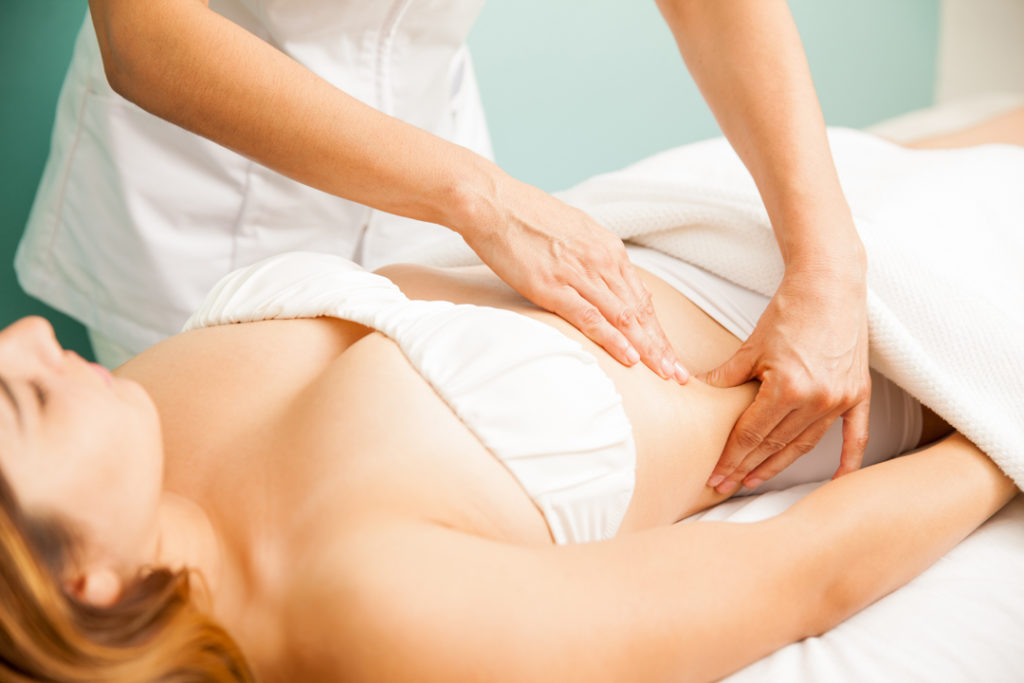
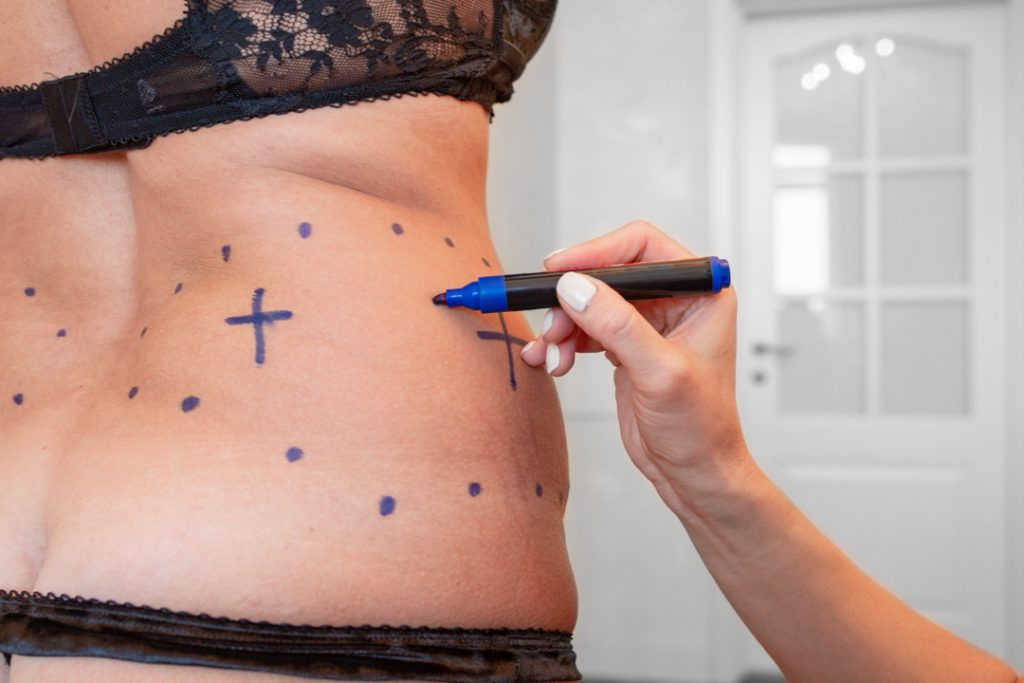
Body contouring used to be discussed in fairly narrow terms. For years, people framed it as something reserved for dramatic makeovers or post-surgical transformation. That picture no longer fits reality. In practices across suburban communities like Farmington Hills, body contouring has become far more personal, measured, and realistic. Most people seeking treatment are not chasing perfection. They are trying to solve a stubborn problem that diet and exercise have not fully addressed, or they want to feel more proportional in their clothing, more confident at work, or more comfortable in their own skin after weight loss or pregnancy.
That shift matters because it changes the conversation from fantasy to fit. A well-chosen body contouring plan should match a person’s anatomy, schedule, pain tolerance, budget, and expectations. It should also acknowledge a truth that experienced providers see every week: the best results rarely come from one-size-fits-all thinking. Someone with mild fullness under the chin needs a different strategy than someone with loose abdominal skin after losing 60 pounds. A patient who already exercises four days a week but cannot improve flank definition is in a different category than a patient whose primary concern is skin laxity along the upper arms.
When people search for Body Contouring Farmington Hills, they are often looking for more than a menu of treatments. They want clarity. They want to know what actually works, who benefits most, where non-surgical options shine, and where they fall short. They also want an honest discussion about how body contouring fits into real life, especially in a community where professional schedules, family obligations, social events, and seasonal changes all shape how and when people pursue cosmetic treatments.
What body contouring really means now
The phrase "body contouring" covers a wide range of treatments. At its core, it refers to procedures that reshape or refine areas of the body by reducing fat, tightening skin, improving contour, or combining those goals. Some methods are non-surgical and involve little to no downtime. Others are minimally invasive or fully surgical and offer more dramatic change, often with a longer recovery.
What has changed in recent years is not only the technology but also the level of customization. A thoughtful provider is not simply asking, "Where is the fat?" They are evaluating fat thickness, skin elasticity, muscle tone, scar history, hormonal changes, and how weight has fluctuated over time. In practice, that means two people with the same complaint, such as lower abdominal fullness, may receive completely different recommendations.
I have seen many cases where the patient arrived convinced they needed fat reduction, only to learn that lax skin was the dominant issue. The reverse happens too. Someone may focus on loose skin in the mirror, but once the tissue is examined standing and lying down, the main contributor turns out to be localized fat. Good contouring begins with that distinction. If the wrong problem gets treated, the result may be disappointing even when the procedure itself is technically successful.
Why Farmington Hills patients often look for subtle refinement, not dramatic change
Farmington Hills is the kind of community where cosmetic decisions tend to be practical. People are busy. They attend school events, work in professional environments, care for aging parents, commute, travel, and try to fit wellness into already crowded weeks. In that setting, many patients are not looking for a total transformation with obvious downtime. They want treatments that move the needle in a visible but natural way.
That often translates into a few common goals. A smoother waistline under fitted clothing. Better definition through the midsection. Less heaviness at the bra line. Improved contour after pregnancy. A more balanced silhouette after successful weight loss. For men, it may be the chest, abdomen, or love handle area. For women, the abdomen, flanks, thighs, and under-chin region tend to come up frequently, though every body type creates its own priorities.
Seasonality also affects decision-making more than people expect. In Michigan, many patients start consultations in late winter or early spring because they want to feel more confident by summer. Others wait until fall, when they can recover more privately under looser clothing and avoid heavy social calendars. This matters because body contouring, especially non-surgical treatment, often rewards patience. Results may unfold over weeks or months rather than overnight.
The big divide: fat reduction versus skin tightening
A productive consultation usually turns on one central question: are we mainly trying to reduce volume, tighten tissue, or both?
Fat reduction targets pockets of adipose tissue that remain resistant even when body weight is stable. These are the classic trouble spots people describe as "I lose everywhere else first" areas. Non-surgical fat reduction methods may use cold, heat, ultrasound, or injectable approaches depending on the anatomy and the treatment plan. Surgical approaches, especially liposuction, remain the benchmark for more dramatic reshaping when a patient is a good candidate.
Skin tightening addresses a different issue. Skin can lose elasticity with age, sun exposure, genetics, pregnancy, or significant weight changes. Once that elasticity is reduced, simply removing fat may not produce a clean contour. In fact, it can sometimes make laxity look more obvious. Energy-based tightening treatments can help in mild to moderate cases. More advanced laxity may require a surgical lift or excision to truly improve the shape.
This distinction sounds straightforward, but in real life it is nuanced. The https://chancewgqd903.northstarcolumn.com/posts/why-body-contouring-farmington-hills-is-a-popular-choice-for-sculpting abdomen illustrates the challenge well. A patient may have a small lower belly pouch, but the source might include subcutaneous fat, stretched skin, muscle separation, or bloating. A non-surgical treatment can improve one of those factors, but not all of them. That is why honest evaluation matters so much. Body contouring is not a magic eraser. It is a targeted tool.
Non-surgical options and where they fit best
Non-surgical body contouring appeals to many people in Farmington Hills because it aligns with modern schedules. Most treatments are office-based. Many require little or no anesthesia. Some allow patients to return to normal activity the same day or the next. That convenience is real, but so are the limitations.
The best candidates tend to be fairly close to their goal weight, with specific areas of concern rather than generalized obesity. Their skin quality is decent. Their expectations are measured. They understand that a 15 to 25 percent reduction in a localized fat area can be meaningful, but it is not the same as surgical sculpting.
Several categories dominate the non-surgical space. Cooling-based fat reduction has become familiar to the public and can work well in pinchable areas when the patient has enough tissue to treat but not so much that surgery would be more efficient. Heat-based and radiofrequency-based systems may blend contouring and tightening, which can be useful for mild laxity. Injectable fat reduction can help with smaller, focused areas such as the submental region under the chin. Muscle-stimulating technologies aim at tone and can complement contouring, though they are not a substitute for fat removal.
The value of non-surgical treatment is often cumulative. A single session may help, but a treatment series or a combination plan is often where patients notice a more polished result. That can be frustrating for people who expect a dramatic one-time change, yet it is ideal for patients who prefer gradual improvement. A common reaction a few months after well-planned treatment is not "You look different." It is "You look great, have you been working out?" For many people, that kind of natural shift is exactly the goal.
When surgery is still the better answer
There is no benefit in pretending non-surgical options can do everything. They cannot. If someone has a large volume of excess fat, significant hanging skin, severe laxity after major weight loss, or muscle separation in the abdomen, surgery may offer the only meaningful correction.
Liposuction remains one of the most effective tools for reshaping the trunk, thighs, arms, and other areas in appropriate candidates. It removes fat more directly and precisely than non-surgical methods can. Tummy tuck procedures address excess abdominal skin and can repair separated muscles. Arm lifts, thigh lifts, and lower body lifts can create dramatic improvements for patients with major laxity. The trade-off is obvious: surgery involves recovery, higher cost, incision care, and a different level of commitment.
The right recommendation often comes down to whether the patient values minimal downtime over maximal change. There is no universally correct answer. A mother of two with a demanding job may reasonably choose a modest non-surgical improvement because she cannot spare surgical recovery time right now. Another patient may decide that after years of frustration, a single stronger intervention makes more sense than several smaller treatments.
Experienced providers do not oversell either path. They explain the likely range of improvement and let the patient decide where the balance lies.
The consultation matters more than the machine
People often focus on brand names and devices. That is understandable, especially with aggressive advertising around aesthetics. But in my experience, the quality of the consultation has more impact on the final result than the popularity of the machine.
A good consultation should include an in-person physical assessment, a review of weight stability, lifestyle habits, previous treatments, medical history, and a candid conversation about goals. Photos can help because what bothers a patient in the mirror is not always what creates imbalance in profile or three-quarter view. A skilled provider also examines whether the concern is structural. If posture, rib flare, muscle separation, or asymmetry is contributing to the silhouette, contouring alone may not fully address the issue.
There are a few questions worth asking before moving forward:
- Am I a candidate for this treatment, or just eligible to purchase it?
- Is fat, skin, or muscle the main issue in my case?
- How many sessions are realistically needed to see the level of change I want?
- What does recovery actually look like from day one through week six?
- If this treatment underdelivers, what would the next step be?
Those questions tend to separate a real treatment plan from a sales pitch.
Realistic timelines and what results usually feel like
One of the biggest disconnects in body contouring is timing. Patients often want to know exactly when they will look better. The truthful answer depends on the treatment, the area, and the body’s healing response.
Non-surgical fat reduction usually takes time. The treated fat does not vanish right away. The body gradually processes the affected cells over several weeks to a few months. Swelling can temporarily blur early improvement, which catches some patients off guard. Skin-tightening treatments may require a series, with collagen remodeling continuing after the sessions end. Surgical treatments often show an immediate change in shape, but swelling can last much longer than patients anticipate, especially in the abdomen or flanks.
The emotional experience is also worth mentioning. Early after treatment, especially surgery, patients can be highly critical because they are focused on every contour change. Around the six- to twelve-week mark, the picture usually gets clearer. That is often when clothes fit differently and the result starts to feel integrated into daily life. The mirror matters, but so does the moment when a patient reaches for a pair of pants that used to pull across the waist and finds them sitting properly for the first time.
Body contouring after weight loss and pregnancy
Some of the most appreciative body contouring patients are those who have already done difficult work on their own. They have lost weight through nutrition, exercise, medication, or bariatric treatment. Or they have gone through pregnancy and postpartum recovery and simply do not recognize the way certain areas settled afterward.
These patients often have more complex anatomy than someone seeking minor refinement. After weight loss, the issue may be less about leftover fat and more about tissue laxity, crepey texture, or folds that interfere with clothing and comfort. After pregnancy, skin stretching, lower abdominal fullness, and muscle separation can create a contour that does not respond to core exercise alone.
This is where careful planning matters. Not every postpartum abdomen needs surgery, but some do. Not every weight-loss patient needs an excisional procedure, but many benefit from knowing the limitations of non-surgical approaches before investing in multiple sessions. When expectations are framed well, patients usually make strong decisions. Problems arise when they are told a gentle treatment can replace a structural correction that it simply cannot deliver.
The role of fitness, nutrition, and weight stability
Body contouring is not a substitute for healthy habits, but it pairs best with them. The ideal candidate has a stable weight or is at least near a sustainable baseline. When weight is still fluctuating significantly, it becomes harder to judge where contouring should happen and what result will hold.
Stable weight matters because body contouring reshapes what is present at the time of treatment. It does not make someone immune to future weight gain, and it does not change the body’s basic metabolic tendencies. Patients who maintain their habits generally keep their results well. Patients who view the procedure as permission to stop caring for themselves tend to be disappointed later.
That does not mean someone has to be perfect before seeking help. Plenty of good candidates are still working toward modest fitness goals. What matters more is direction. Are they moving toward stability, or away from it? Do they have realistic expectations? Are they trying to refine a body they actively take care of, or are they hoping a treatment will solve a broader health struggle? Providers who ask these questions are not being judgmental. They are protecting outcomes.
A few practical signs that someone may be a strong candidate
The strongest candidates for Body Contouring Farmington Hills are not always the leanest or the youngest. They are often the people whose expectations line up with what the treatment can actually do.
A few patterns show up again and again:
- Weight has been relatively stable for at least several months.
- The concern is localized, such as flanks, lower abdomen, thighs, upper arms, or under the chin.
- The patient understands that contouring improves shape, not every aspect of body image.
- Skin quality is good enough for the planned method, or the patient accepts the trade-off if it is not.
- They are willing to follow aftercare instructions and give the process time.
That last point matters more than it gets credit for. Compression, hydration, activity guidance, massage when indicated, and follow-up appointments can all influence how smoothly recovery goes and how the result settles.
Cost, value, and the question people often avoid asking
Patients often hesitate to ask whether body contouring is worth the cost. It is a fair question. These treatments are elective. Insurance usually does not cover them unless there is a reconstructive component tied to a functional issue, and even then coverage is not guaranteed.
Value depends on matching the right treatment to the right problem the first time. A lower-cost treatment that cannot address the actual issue is not economical. It is expensive disappointment. On the other hand, not everyone needs the most aggressive or costly option. The best value often comes from a treatment plan that is appropriately scaled. If a patient only needs small-area refinement, surgery may be more intervention than necessary. If they need a substantial correction, serial non-surgical treatments may end up costing more while still falling short.
This is one reason transparent consultations matter. Patients deserve to know not just the price per session, but the realistic total investment needed to pursue a visible result.
Choosing a provider in Farmington Hills with good judgment
Aesthetic medicine rewards judgment as much as technique. The best providers do not just perform procedures. They know when to say no, when to recommend waiting, and when to steer a patient toward a different path entirely.
Look for a practice that evaluates candidates carefully, explains alternatives clearly, and shows results from cases that resemble your anatomy rather than only ideal outcomes. A provider should be comfortable discussing side effects, the possibility of asymmetry, the need for more than one treatment, and what happens if you are unhappy with the degree of change. If those conversations feel rushed or overly polished, take that seriously.
It also helps to pay attention to how a provider talks about your goal. If you say, "I hate my stomach," a strong clinician will break that down into anatomy. Is it upper abdominal fullness, lower skin laxity, waist width, posture, or muscle separation? That kind of specificity is a good sign. It means they are seeing a body, not just selling a procedure.
A more grounded way to think about body shaping
The most satisfying body contouring stories are usually not dramatic. They are specific. A patient who finally feels comfortable in a sheath dress. A man who no longer avoids fitted polos because of flank fullness. A woman after major weight loss who sees her effort reflected in her shape for the first time. These are not superficial victories. They change how people carry themselves.
That is the fresh approach body contouring deserves in Farmington Hills. Less hype, more assessment. Less obsession with quick fixes, more respect for anatomy and long-term fit. The right treatment can absolutely refine and strengthen the way the body looks. But the real success comes from choosing a plan grounded in reality, one that respects both the limits and the possibilities of modern body shaping.
Aesthetic Plastic Surgery & Laser Center, Michelle Hardaway M.D.
Address: 27920 Orchard Lake Rd, Farmington Hills, MI 48334
Phone number: +12482211957
FAQ About Body Contouring Farmington Hills
What does body contouring actually do?
Body contouring (or body sculpting) eliminates stubborn localized fat, tightens loose, sagging skin, and reshapes your silhouette. It is not a weight-loss tool, but rather a cosmetic procedure used to refine and tone specific trouble spots after major weight loss, pregnancy, or aging.
How much does body contouring usually cost?
The total cost of body contouring usually ranges from $2,000 to $25,000+ depending entirely on whether you choose non-surgical sessions or major surgical procedures.
Because "body contouring" covers everything from simple fat-freezing to comprehensive post-weight-loss surgeries, pricing is heavily categorized by the method used.
What is the best type of body contouring?
Liposuction is a huge topic and worth discussing in more detail, but in terms of body contouring and sculpting, nothing does the job better than liposuction, particularly VASER liposuction.